
 Guest Login
 View My Favorites (0)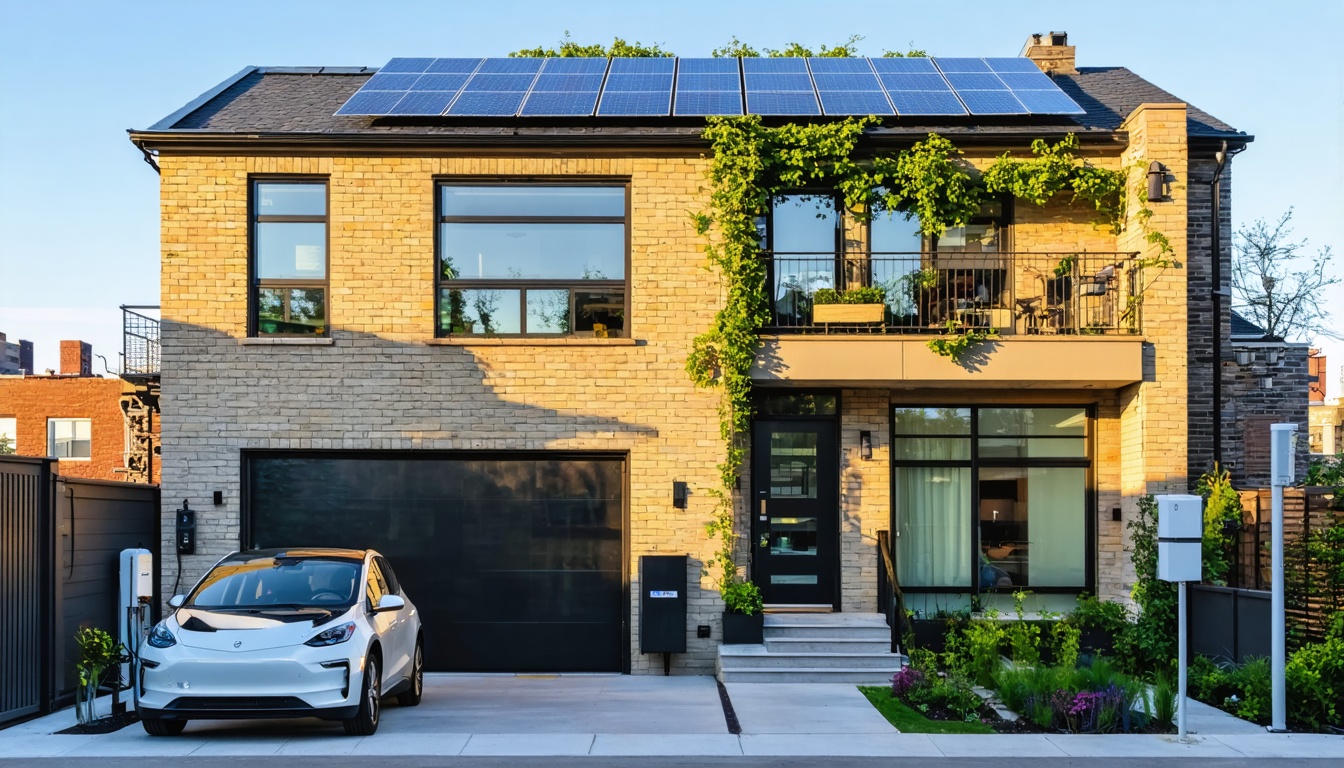
What a More Resilient Home Energy Plan Looks Like in New York
In New York, addressing the challenges of maintaining consistent power in the face of stronger storms and rising energy costs requires a comprehensive approach to home energy planning. A resilient energy strategy extends beyond the installation of backup generators; it encompasses the integration of advanced technologies and a focus on sustainable energy practices. As the state experiences changing weather patterns and an increasing demand for energy, various solutions are emerging that can enhance energy reliability and affordability for households. Some of these solutions include the adoption of energy-efficient appliances, the installation of solar panels, and participation in demand-response programs that allow consumers to adjust their energy usage during peak times. Moreover, incorporating energy storage systems, such as batteries, can provide additional support by storing excess energy generated from renewable sources for later use. This not only helps in managing energy demand but also reduces reliance on traditional grid power during outages. Ultimately, creating a more secure energy future in New York will involve a combination of innovative technologies, consumer education, proactive planning, and policy support aimed at promoting sustainability and resilience in the energy sector.
Assessing New York City's Evolving Energy Landscape
New York City’s electricity system is currently experiencing significant challenges due to a rising demand that exceeds the capacity of its aging infrastructure. The power grid, which serves Manhattan, Brooklyn, and the other boroughs, is under pressure from multiple factors, including extreme weather events, economic constraints, and the increasing presence of data centers.
In response to rising electric bills—often growing at a rate faster than household incomes—residents and businesses are actively exploring cost-saving measures.
Governor Hochul has launched several initiatives aimed at addressing these challenges, with an emphasis on improving grid reliability and resilience while also reducing greenhouse gas emissions.
State agencies are developing strategies to enhance the electricity supply framework, which includes incentives for solar energy adoption, energy storage technologies, battery systems, and the establishment of electric vehicle charging infrastructure.
Collectively, these initiatives are designed to alleviate the strain on the grid and facilitate New York's shift toward a more sustainable energy future.
Meeting Rising Demand Through Distributed Solutions
As electricity demand in New York City increases, the focus on resilient energy solutions has shifted towards distributed energy resources (DER). This approach includes various technologies such as solar power, battery storage, and financial incentives to reduce energy costs for both residential and commercial users, particularly in densely populated areas like Brooklyn and Manhattan.
Governor Hochul has implemented several programs with the aims of lowering greenhouse gas emissions, improving emergency preparedness during extreme weather, and creating a sustainable framework for energy permitting. The incorporation of DERs, including battery storage and electric vehicle (EV) charging infrastructure, is intended to enhance energy reliability and affordability for residents.
These systems may alleviate pressure on conventional utilities, data centers, and public schools across the five boroughs as electricity demand escalates.
By advancing a diversified energy portfolio and facilitating localized generation and storage, New York City seeks to develop a more resilient electric grid. This infrastructure is designed to adapt to variable demand and contributes to the city's broader environmental sustainability goals.
Addressing Cost and Reliability Challenges
New York City's transition to clean energy is ongoing, but it faces challenges related to rising utility costs and grid reliability, particularly in Brooklyn and Manhattan. These areas are experiencing heightened demand during extreme heat events and severe weather, which exacerbates existing concerns about energy supply and affordability.
In an effort to address these issues, state agencies, such as the Public Service Commission, are implementing measures aimed at improving affordability and resilience through strategic planning and incentive programs.
The integration of battery storage facilities and distributed energy resources is increasingly important for helping households and businesses manage the financial burden of electricity bills. Additionally, local laws, tax credits, and incentives have been introduced to support consumers in reducing their costs.
Nevertheless, significant obstacles remain, including high infrastructure expenses and the ongoing reliance on fossil fuel generation, which are critical factors for achieving a more sustainable energy environment. The success of ongoing efforts will largely depend on the effective coordination of policies and the necessary investment in upgrades to the energy system.
Expanding Solar and Battery Storage Opportunities
Expanding the use of solar energy and battery storage in New York City is a pragmatic approach to enhancing energy resilience and potentially lowering costs. The City intends to utilize approximately 14,900 City-owned parcels for the installation of solar panels and battery storage systems, including efforts like New York Solar Panel Installation, which address the growing energy demands attributed to extreme weather events and climate change.
The deployment of solar and battery storage technologies offers several practical advantages. These systems can help manage peak demand on the electricity grid, which may lead to reduced operational costs and increased reliability of energy supply.
Additionally, various financial incentives and tax credits are available, which can assist homeowners with the initial costs of residential solar installations, thus increasing accessibility.
Support from state leadership, including that of Governor Hochul, plays a significant role in promoting the potential for both residential and commercial installations of renewable energy systems.
Integrating solar energy aims not only to decrease electricity expenses for consumers but also to contribute to the reduction of greenhouse gas emissions, addressing environmental concerns linked with conventional energy sources. This strategy aligns with broader objectives of fostering sustainable energy practices while ensuring efficient management of the city’s energy resources.
Overcoming Barriers to Clean Energy Deployment
Addressing the challenges related to clean energy deployment in New York is critical for creating a more resilient energy system. Several barriers currently impede progress, particularly concerning the permitting framework for energy storage and battery installations in densely populated areas like New York City and Manhattan.
Lengthy review processes, often shaped by the Fire Department's regulations and utility interconnection protocols, lead to delays that create uncertainty for developers and investors. This uncertainty can adversely impact the reliability of energy systems, diminish potential bill savings for consumers, and affect overall emergency response capabilities.
To enable more efficient clean energy deployment, there is a demand for expedited and predictable permitting processes. Support from state leadership, including Governor Hochul, along with focused efforts from state agencies and the Public Service Commission, is necessary to streamline existing permitting and interconnection issues.
Addressing these barriers could yield significant reductions in greenhouse gas emissions and lower the overall operational costs associated with energy generation and consumption in New York State.
Protecting Ratepayers and Promoting Affordability
A comprehensive home energy plan that emphasizes both reliability and cost management is essential for protecting ratepayers and promoting affordability. In New York City, including boroughs like Brooklyn and Manhattan, Governor Hochul's initiatives focus on maintaining utilities' emphasis on affordability. A significant aspect of this strategy is the elimination of hidden fees, which aims to enhance the transparency of electric bills for consumers.
The Public Service Commission plays a critical role by independently monitoring affordability measures and providing annual reports that summarize relevant data and address public concerns. The development of an affordability index is intended to serve as a standard for comparing energy costs, thereby giving residents and businesses a clearer understanding of their energy expenses.
In addition to enhancing pricing transparency, the implementation of various incentives such as sustainable energy programs and tax credits aims to reduce emissions and ease economic pressures.
These initiatives also help to minimize the stress on the city’s grid infrastructure. Collectively, these strategies represent a systematic approach to managing energy costs while promoting sustainability in urban environments.
Integrating Climate Resiliency in Energy Planning
New York City is increasingly recognizing the necessity of integrating climate resiliency into its energy planning framework to address the heightened risks related to extreme weather events. The city's energy strategy emphasizes the deployment of solar energy, battery storage, and distributed energy resources across all five boroughs, including Manhattan and Brooklyn.
State leadership, particularly from Governor Hochul and various state agencies, supports initiatives aimed at enhancing energy affordability through incentives and tax credits, which can also help alleviate the pressures of rising demand on the energy system.
Incorporating climate resiliency within energy systems is aimed not only at improving the reliability of utility services but also at strengthening emergency response capabilities during natural disasters.
This approach has implications for reducing greenhouse gas emissions and encourages the establishment of sustainable infrastructure for homes and businesses. As extreme weather events become more frequent and intense, there is an increasing need for streamlined permitting processes and the creation of resilient infrastructure.
These initiatives are essential for cities facing the economic repercussions of rising operational costs and potential disruptions due to climate-related impacts.
Leveraging City Assets for Energy Innovation
City-owned land in New York presents opportunities for energy innovation across its five boroughs. Utilizing assets such as rooftop spaces in areas like Brooklyn and Manhattan can enhance energy resilience and reliability for both residential and commercial sectors.
The integration of solar energy systems, battery storage solutions, and electric vehicle (EV) charging infrastructure can support clean energy generation and address potential grid challenges during extreme weather events, heat waves, and economic fluctuations.
Additionally, the establishment of streamlined permitting processes and tax credit incentives, supported by Governor Hochul and state agencies like the Power Authority and the Public Service Commission, is necessary for enabling the adoption of these energy innovations.
These measures aim to lower greenhouse gas emissions, reduce operational costs, and lower electric bills, thereby promoting affordability while supporting sustainability efforts.
By effectively leveraging city assets, New York can work towards a more sustainable energy future.
Building a Skilled Workforce for a Sustainable Future
Achieving New York's clean energy objectives requires advancements in technology alongside a well-trained workforce equipped to install, maintain, and innovate energy systems. This need is particularly evident in New York City, where various state agencies, public schools, and the Department of Public Service are creating structured career pathways in critical areas such as solar energy, energy storage, and energy efficiency.
These training programs aim to tackle significant challenges associated with affordability, resilience, and greenhouse gas emissions, thus aiding both residential and commercial sectors in lowering energy expenses.
The increasing demand for electric vehicle charging infrastructure, battery storage solutions, and offshore wind energy underscores the necessity of developing a skilled workforce to support a sustainable and reliable energy grid.
Workforce development is an essential element in transitioning to a cleaner energy landscape, emphasizing the importance of aligning educational initiatives with the changing requirements of the energy sector.
This strategic approach is vital for establishing a proficient workforce that can effectively contribute to New York's clean energy goals.
Conclusion
Living in New York and implementing a resilient home energy plan can help mitigate the impacts of power outages while also contributing to a more sustainable energy system. A resilient approach often involves the integration of solar energy, energy storage solutions, and smart technology, which can enhance both the reliability and sustainability of energy consumption. Investing in solar energy can reduce reliance on fossil fuels and decrease greenhouse gas emissions, aligning with broader climate objectives. Energy storage systems, such as batteries, allow homeowners to store excess energy generated during peak production times for use during low production periods or outages, providing greater energy security. In addition, smart technology can optimize energy usage by offering real-time data on consumption patterns, allowing homeowners to make informed decisions that can lead to cost savings. Moreover, staying informed about state and federal incentives can further enhance the financial viability of these technologies. As policies and technologies continue to evolve, flexibility in energy planning can provide additional benefits, enabling homeowners to adapt to new opportunities. In conclusion, a resilient home energy plan not only strengthens individual households but also supports collective efforts for a cleaner and more reliable energy grid, benefiting the larger community in New York.